
Kitchener Mayor Prepares to Present 2026 Budget as Property Tax and Utility Increases Loom
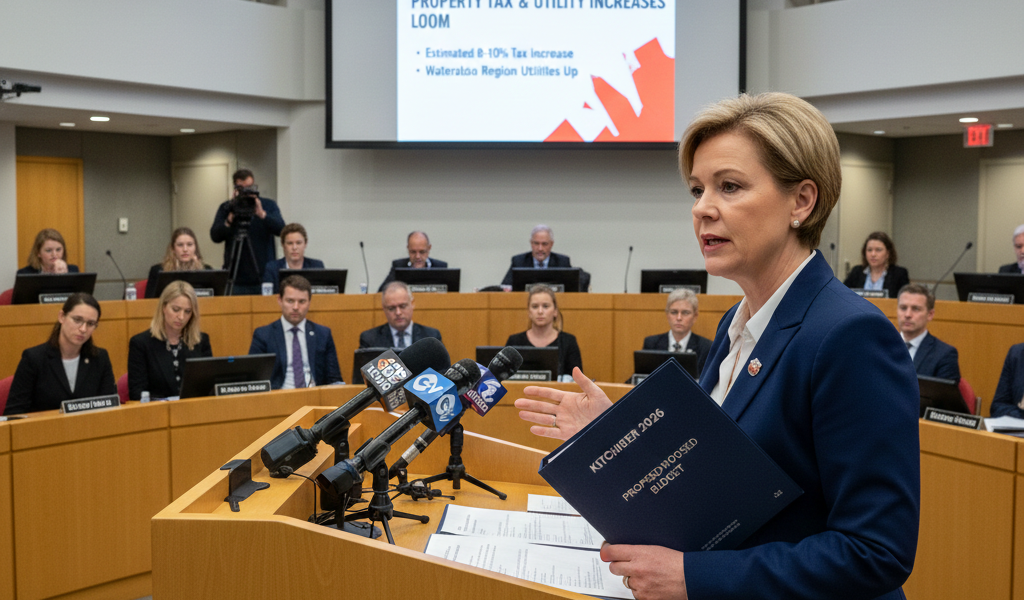
Kitchener Mayor Berry Vrbanovic is set to formally present the city’s 2026 budget to city council, marking a significant milestone in a process that will shape the municipality’s financial direction for the coming year and beyond. The proposed budget includes an average annual cost increase of $117 for a typical household, reflecting planned changes to both property taxes and water utility rates.
The special council meeting scheduled for Monday afternoon represents the next key step in the approval process. While the draft budget has already been publicly available for several weeks, this presentation will allow councillors to formally review, debate, and begin the process of considering potential amendments.
As Kitchener continues to grow and evolve, the 2026 budget attempts to balance rising operational costs, infrastructure demands, and long-term community investments with the ongoing need for affordability, stability, and transparency.
Proposed Tax and Utility Hikes Drive Household Cost Increase
At the heart of the proposed increase is a 2.2 per cent hike in property taxes and a 6.3 per cent increase in water utility rates. Together, these changes are projected to add an estimated $117 annually to the bills of an average Kitchener household.
Property Tax Increase Explained
The 2.2 per cent adjustment to property taxes is aimed at supporting core municipal services such as road maintenance, snow removal, transit, fire protection, waste management, parks, and community programming. City staff say the increase is driven by inflationary pressures, rising operating expenses, and the need to maintain service levels as the local population grows.
Property taxes make up one of the primary revenue sources for the City of Kitchener. Even modest changes to the rate can generate millions in additional funding, helping the municipality meet both immediate needs and long-term commitments.
Why Water Rates Are Rising Faster
The proposed 6.3 per cent increase to water utility rates is directly tied to the cost of maintaining and upgrading the region’s water and wastewater infrastructure. Aging pipes, treatment plants, and distribution systems require continual reinvestment in order to meet modern safety standards and accommodate development.
According to city officials, the increase is necessary to ensure reliable access to clean water, reduce the risk of system failures, and support future population growth without compromising environmental standards.
Operating Budget Highlights Essential Spending Priorities
Kitchener’s 2026 operating budget includes a total planned expenditure of $635 million, which takes into account both tax-supported services and city-operated enterprises.
When enterprise-related costs are excluded, the tax-supported portion of the operating budget stands at approximately $310 million. These funds are allocated to everyday services that residents rely on, including:
-
Emergency services such as fire protection
-
Public transit operations
-
Libraries and recreational facilities
-
Road repairs and snow clearing
-
By-law enforcement and community safety
-
Social and affordable housing support
-
Environmental and sustainability programs
City officials emphasize that these operating expenses are essential for maintaining Kitchener’s livability, safety, and overall quality of life.
Balancing Costs With Community Expectations
As residents continue to demand better infrastructure, faster transit, safer streets, and improved public services, the city faces increasing financial pressure. The 2026 operating budget attempts to strike a balance — continuing improvements where necessary while avoiding dramatic tax hikes.
The budget also reflects ongoing efforts to control internal costs and improve operational efficiency through better planning and digital modernization initiatives.
Capital Budget Signals Major Long-Term Investments
In addition to its operating expenses, Kitchener’s draft budget outlines a significant capital investment plan focused on infrastructure and city-building projects.
For 2026 alone, the city is planning to spend approximately $201 million on capital projects, including:
-
Road expansions and resurfacing
-
Bridge repairs and replacements
-
Park upgrades and new recreational spaces
-
Facility renovations and modernization
-
Fleet and heavy equipment replacement
-
Stormwater management systems
Over a ten-year forecast period, these investments are expected to reach a combined total of $1.8 billion, reflecting the scale and ambition of Kitchener’s long-term vision for growth.
Preparing for Population Growth
Kitchener is one of the fastest-growing cities in Ontario, driven by immigration, economic development, and its location within the tech and innovation corridor. This rapid expansion requires new infrastructure, improved transportation networks, expanded public services, and resilient urban planning.
City planners say the capital investment strategy is designed to ensure that growth remains manageable and sustainable, so that existing residents and new arrivals alike can benefit from reliable services and accessible amenities.
Budget Process Enters Final Stages in December
Once formally presented on Monday, the budget will move into a more detailed and critical phase. City councillors will have the opportunity to propose amendments during further discussions scheduled for December 8.
This stage allows elected officials to adjust funding levels, reallocate resources, or replace certain line items based on public feedback or strategic priorities.
Potential for Vetoes and Revisions
Following the amendment process, the mayor and council will then review any vetoes or objections related to proposed changes. This review is scheduled to take place three days after the amendment meeting, giving both the mayor and councillors the chance to reconsider disputed elements of the budget.
This step helps ensure that the final document reflects a balance between executive leadership and council consensus, reinforcing accountability and democratic decision-making.
Automatic Adoption Set for December 26
If no further changes are made after the veto stage, the 2026 Kitchener city budget will be automatically adopted on December 26.
Once approved, city departments can begin detailed planning and implementation for projects and programs scheduled to roll out in the new fiscal year.
Comparing to Other Municipal Budget Challenges
Kitchener’s budget discussions are taking place against a backdrop of broader regional and provincial concerns around affordability and public spending.
Recent developments include:
-
A $20 million budget increase approved by the regional police board, aimed at expanding the force and improving response times
-
Ongoing debates in neighbouring Cambridge, where councillors and staff have clashed over budget transparency and governance
-
Other Ontario municipalities adjusting to rising costs for transit, housing, and emergency services
These regional trends underscore the reality that many local governments are wrestling with the same pressures — balancing fiscal restraint with the necessity of ongoing infrastructure and service expansion.
Kitchener’s comparatively moderate property tax increase positions it somewhere in the middle of these regional financial adjustments.
Public Engagement Remains Central to the Process
City officials continue to encourage residents to review the budget documents and participate in discussions throughout the approval process. Transparency has been a key theme in the rollout, with budget materials made available weeks in advance of the formal presentation.
Public feedback has also helped shape the city’s priorities, particularly around:
-
Housing affordability
-
Public transit
-
Neighbourhood safety
-
Environmental sustainability
-
Recreational and cultural investments
Mayor Vrbanovic has emphasized that the city is committed to listening to residents, even amid difficult economic choices.
“Developing a city budget is a complex balancing act,” officials have stated previously. “We must ensure that today’s investments don’t become tomorrow’s problems.”
Conclusion: A Budget Aimed at Stability and Future Readiness
The 2026 Kitchener budget represents a carefully structured plan designed to maintain essential services while preparing the city for continued growth, increased demand, and long-term resilience.
With a modest property tax increase, targeted utility adjustments, major infrastructure investments, and continued commitment to public engagement, the budget aims to keep Kitchener on a stable path.
As debate shifts to council chambers this week, the decisions made will define how the city moves forward — not just for next year, but for the next decade.
For residents, the budget is more than a list of numbers. It’s a roadmap for the services they rely on, the infrastructure they use every day, and the kind of community they want to build for the future.
You may also like



Leave a Reply