
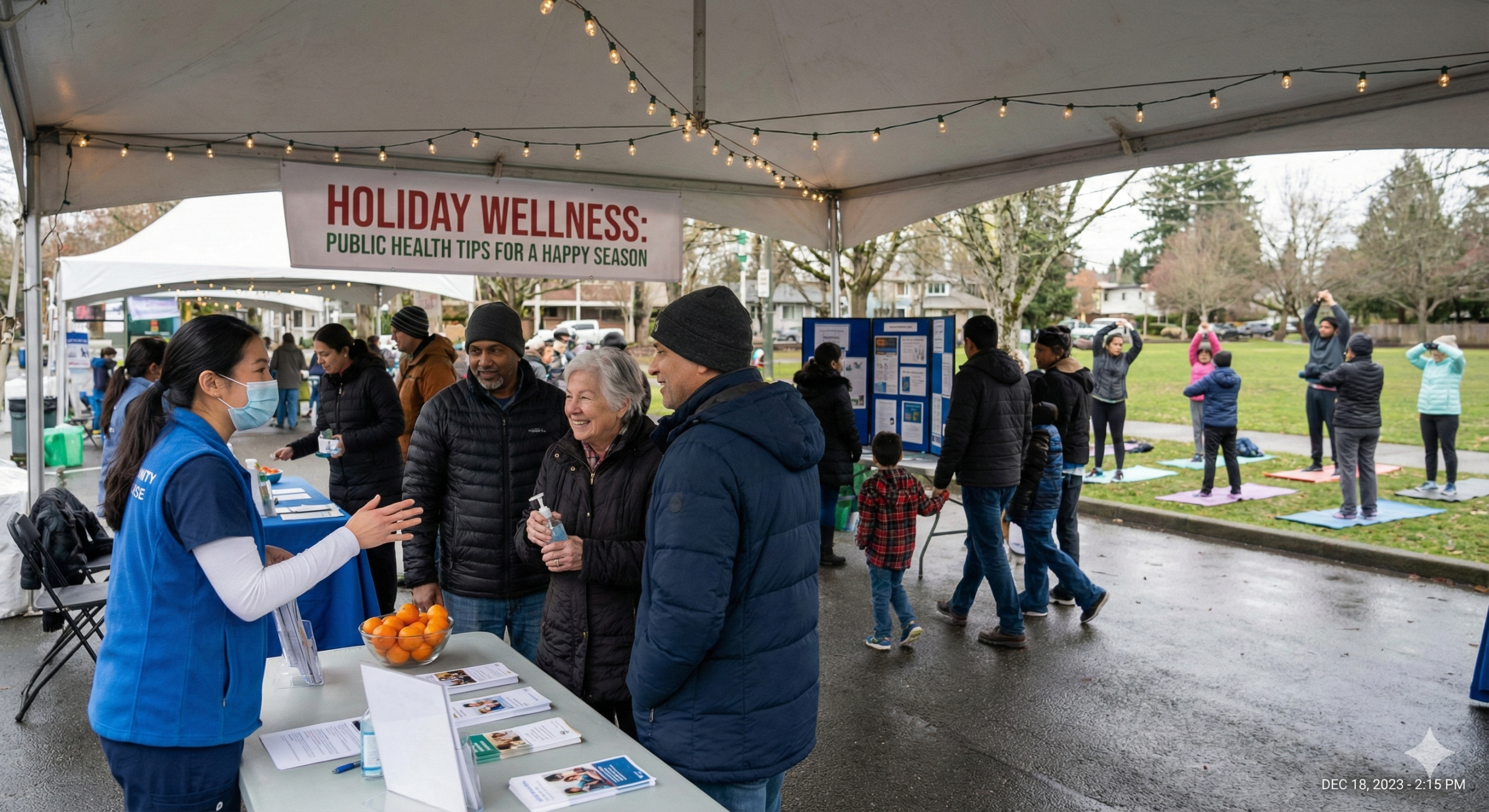
With Christmas just a week away, the pace of life is accelerating for many people across the region. Holiday shopping, school concerts, workplace celebrations, family gatherings, and travel plans are all converging into a busy and often stressful stretch of days. While this time of year is traditionally associated with joy and togetherness, it also brings increased health risks—both physical and mental—that are important to address proactively.
Public health officials are urging residents to take simple but effective steps to protect themselves and those around them as respiratory illnesses circulate more widely and emotional pressures rise during the holidays.
Holiday Gatherings and Rising Health Risks
A Busy Season for Social Interaction
The days leading up to Christmas typically involve more close contact than usual. Indoor gatherings, crowded stores, office parties, and family events all increase the likelihood of exposure to respiratory viruses. As people move between multiple events and households, illnesses can spread quickly.
This seasonal pattern is well known to public health officials, who consistently see spikes in respiratory infections during late fall and winter. This year is no exception, with flu, COVID-19, and respiratory syncytial virus (RSV) all circulating as the holiday season approaches.
Respiratory Illnesses of Concern
According to Wellington Dufferin Guelph Public Health, flu, COVID-19, and RSV are the primary respiratory illnesses of concern at this time of year. These viruses can cause mild symptoms in some people but lead to serious complications in older adults, young children, and individuals with underlying health conditions.
Public health officials stress that preventing infection is not only about protecting oneself, but also about reducing the risk of spreading illness to family members, friends, and the broader community.
Vaccination: The Most Effective First Step
Public Health’s Top Recommendation
Wellington Dufferin Guelph Public Health Associate Medical Officer of Health Dr. Matthew Tenenbaum says vaccination remains the single most important step people can take to stay healthy this holiday season.
“It’s true whether you’re attending gatherings or not,” Dr. Tenenbaum told 570 NewsRadio. “If you haven’t already, get your vaccines. Get your COVID-19 shot. Get your flu shot. If you’re an older adult, get your RSV shot.”
Vaccination reduces the risk of severe illness, hospitalization, and complications, even if someone does become infected.
Expanded RSV Vaccine Eligibility
One notable update this year is expanded eligibility for the RSV vaccine. Dr. Tenenbaum highlighted that people aged 75 and older are now eligible to receive a publicly funded RSV vaccine, a change aimed at protecting those most vulnerable to serious RSV-related illness.
If individuals are unsure where to access the RSV vaccine, public health officials recommend contacting their primary care provider. Many clinics either have doses available or can help patients arrange an appointment elsewhere.
Staying Home When Sick: A Difficult but Necessary Choice
Preventing the Spread of Illness
While vaccination is critical, Dr. Tenenbaum emphasized that personal responsibility also plays a major role in preventing the spread of illness—particularly during the holidays.
“You don’t want to be the one spreading illness,” he said, adding that staying home when feeling unwell is one of the most effective ways to protect others.
He acknowledged that this advice can be difficult to follow during a season filled with social obligations and emotional expectations.
“Obviously, getting together over the holidays is very important, and it’s a very important time for gathering,” he said. “But if you’re sick, it is really best you stay home [and] avoid passing that infection on to others.”
Reducing Guilt and Social Pressure
Public health experts encourage people to reframe how they think about staying home when ill. Rather than seeing it as letting others down, it should be viewed as an act of care and responsibility.
By avoiding gatherings while sick, individuals reduce the risk of becoming “the person who gives other people the virus,” as Dr. Tenenbaum put it. Virtual check-ins or rescheduling visits can help maintain connections without compromising health.
Everyday Prevention Measures Still Matter
Hand Washing and Hygiene
In addition to vaccination and staying home when sick, basic hygiene practices remain essential—especially during busy holiday events.
Dr. Tenenbaum noted that hand washing plays a “huge role,” particularly when spending time in large groups or shared indoor spaces. Washing hands frequently with soap and water, or using hand sanitizer when washing isn’t possible, can significantly reduce the spread of viruses.
Covering coughs and sneezes, avoiding touching the face, and improving ventilation where possible are also simple steps that help limit transmission.
Mental Health During the Holidays
A Challenging Time for Many
While the holidays are often portrayed as a time of happiness and celebration, public health officials recognize that this season can be emotionally difficult for many people. Feelings of loneliness, grief, stress, and depression can intensify amid the emphasis on togetherness and cheer.
Dr. Tenenbaum stressed that not everyone experiences the holidays in the same way, and that mental health challenges can become more pronounced during this period.
“It isn’t an easy time of year for every single person,” he said. “It is a challenging time for mental health.”
Checking In on Vulnerable and Isolated Individuals
One simple but meaningful action people can take is to check in on those around them—especially individuals who may be isolated or struggling.
“If you have vulnerable or isolated people in your life, give them a call,” Dr. Tenenbaum advised. “Reach out to people you haven’t touched base with in a long time, see how they’re doing.”
He encouraged people to think beyond their immediate circle and consider how friends, neighbours, or extended family members might be coping during the holidays.
Accessing Mental Health Support
Community-Based Resources Available
Both Region of Waterloo Public Health and Wellington Dufferin Guelph Public Health are connected to a range of community-based mental health supports. These services can provide assistance to individuals experiencing emotional distress, anxiety, or depression during the holiday season.
Public health officials encourage anyone who is struggling to seek help early rather than waiting until symptoms worsen. Many organizations continue to offer support throughout the holidays, even if regular schedules are reduced.
Managing Physical Illness Over the Holidays
Navigating Limited Clinic Availability
Accessing primary care can be more challenging during the holiday period, as some clinics reduce hours or close temporarily. However, Dr. Tenenbaum reassured residents that patients are not left without options.
“Even if your family doctor is someone who you know isn’t going to be working over Christmas, they may have somebody who is covering for them,” he said.
Patients are encouraged to check with their doctor or clinic ahead of time to understand after-hours options and coverage arrangements.
Emergency Care Remains Available
For serious or worsening symptoms, emergency departments across Waterloo Region and Wellington County remain open at all times. Public health officials emphasize that anyone who feels they need immediate medical attention should not hesitate to seek emergency care.
However, they also acknowledge that emergency departments can be busy during the holidays, which is why knowing the right care option can save time and reduce strain on the system.
Tools to Help Choose the Right Level of Care
“Know Your Care Options” Resource
Waterloo-Wellington regional hospitals have developed a resource called “Know Your Care Options” to help residents determine the most appropriate level of care for their symptoms. The tool guides users through common scenarios and suggests whether self-care, virtual care, urgent care, or emergency services are most appropriate.
Using this resource can help avoid unnecessary emergency department visits and potentially save hours of waiting time.
Virtual Urgent Care Services
Urgent Care Ontario is also offering free virtual urgent-care appointments for individuals with a valid health card. These appointments can address many non-life-threatening concerns and provide medical guidance without requiring an in-person visit.
Public health officials say virtual care is a valuable option during the holidays, particularly when clinics are closed or transportation is difficult.
Conclusion: A Season of Care, Responsibility, and Connection
As the holiday season reaches its busiest point, public health experts are reminding residents that staying happy and healthy requires a balance of celebration and caution. Vaccination, staying home when sick, practicing good hygiene, and checking in on others can go a long way in protecting both physical and mental well-being.
While the holidays can bring joy and connection, they can also amplify stress and vulnerability. By taking small, thoughtful steps and looking out for one another, communities can reduce illness, support mental health, and ensure that the season remains as safe and meaningful as possible for everyone.



Leave a Reply