
A Major Shift in Municipal Services
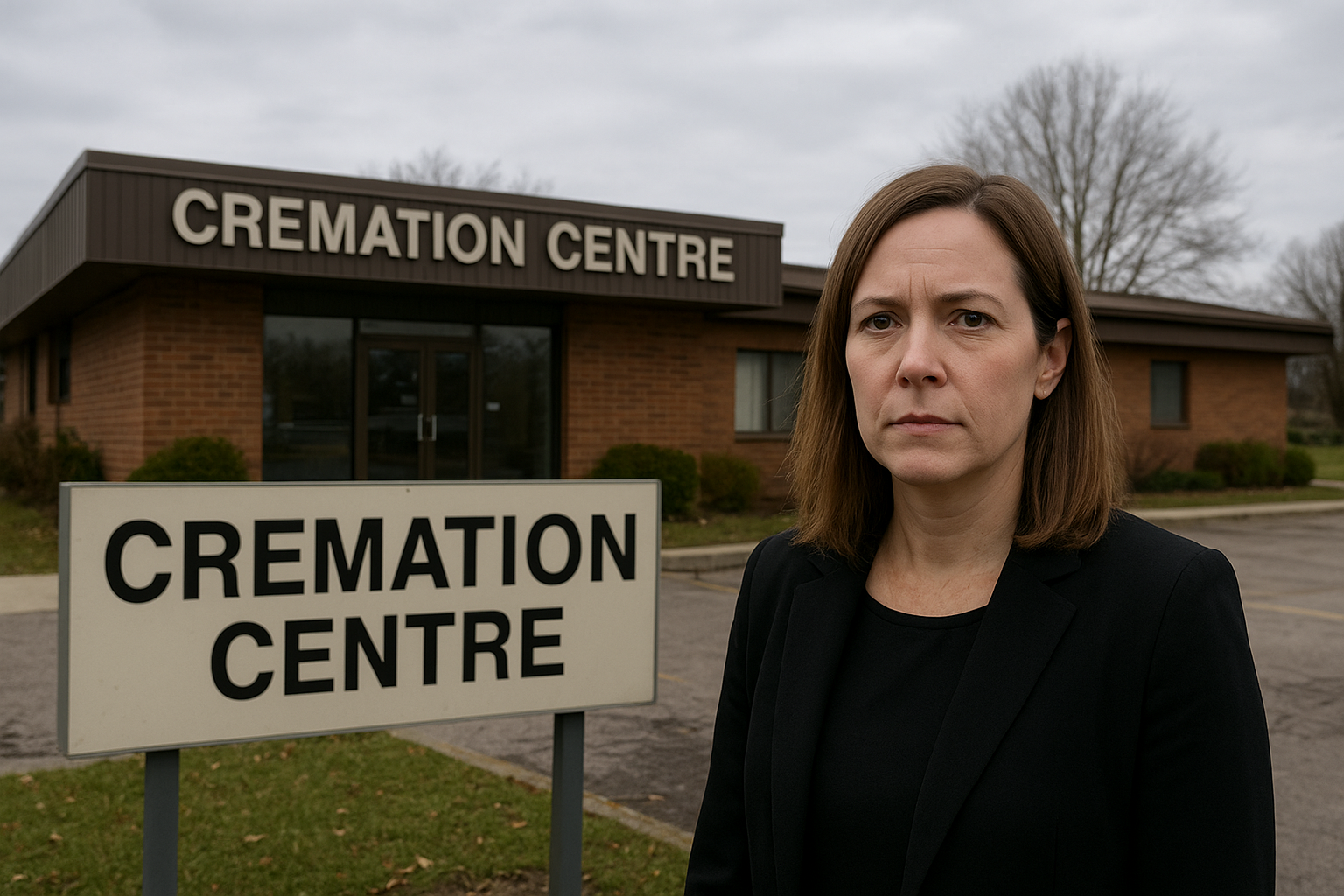
The City of Waterloo is preparing to step away from the crematorium business at Parkview Cemetery after years of falling demand, rising competition, and mounting financial pressures. A staff report scheduled for council review recommends transferring operations to a private company under a decade-long lease—a move that marks a significant transition in how the city delivers end-of-life services.
For a facility that once recorded its busiest year not long ago, the decline has been both unexpected and consequential. Municipal officials now face a pivotal question: Is it still viable for the city to operate a crematorium in a rapidly changing marketplace?
The Forces Behind the Decline
Competition Reshapes the Local Landscape
According to the report headed to council, cremation volumes have dropped sharply due to “increased market competition.” Funeral homes across Waterloo, recognizing a growing desire among families for personalized and cost-efficient services, have begun planning their own crematoriums. Several are expected to open within the next five years, creating a tighter and more competitive environment.
That shrinking market share has already produced measurable effects. In 2022, Parkview’s crematorium reached a peak of more than 1,600 cremations, using two fully operational retorts. The figure reflected a combination of population growth, shifting cultural preferences, and pandemic-related capacity demands. Staff at the time viewed the numbers as a sign that municipal involvement in cremation services would remain strong for years.
Yet the surge proved temporary. Volumes soon plummeted.
A Dramatic Drop in Throughput
This year, staff estimate the crematorium will complete only about 600 cremations—less than half the volume recorded just two years ago. Only one retort remains in service, and projections suggest the downward trend will continue.
The mathematics are sobering. A facility built to serve high demand now operates at a fraction of capacity. Lower volumes mean reduced revenue, and the report bluntly concludes that the crematorium is on track to become “a partially tax-based funded enterprise.”
For municipal operations, that’s a red flag. Taxpayers would shoulder increasing costs for a service that private operators now offer in abundance. That economic reality looms large in council’s deliberations.
A Proposed Pivot to the Private Sector
Enter Southwest Crematoriums Limited
To offset declining financial viability, staff recommend the city enter a 10-year lease with Southwest Crematoriums Limited. Under the proposal, the private firm would take over the day-to-day operations of the Parkview crematorium, while the city would retain ownership of the facility itself.
Documents available on the city’s website do not reveal the contract’s financial details, but they emphasize stability, risk reduction, and long-term predictability as key benefits. Private operators often bring specialized training, market flexibility, and the ability to adapt quickly to industry trends—advantages municipal systems sometimes struggle to match.
For Waterloo, the shift represents an opportunity to maintain cremation services at Parkview without absorbing future losses.
The Bigger Picture: Municipal Exits From Niche Services
Waterloo is not alone in reassessing its role in specialized end-of-life services. Across Canada, municipalities have gradually withdrawn from crematorium operations in favor of partnerships with private companies. The change reflects evolving demographics, technological upgrades, and consumer expectations, all of which influence how cities allocate their resources.
The Parkview case sits squarely within that broader narrative—a municipal service transitioning not because of failure, but because the surrounding environment transformed faster than the operation could adapt.
A Quiet Industry With Loud Implications
When a Decline Becomes a Turning Point
Though crematoriums are rarely top-of-mind for residents, the implications of this shift reach further than they appear. End-of-life services carry a unique weight: emotional, cultural, and logistical. As one fictional longtime staff member at Parkview recalled in a hallway conversation, “You never forget the families who thanked you for helping during the hardest week of their lives.”
He reflected on the peak years with a mix of pride and exhaustion. “We were running both retorts nonstop. It felt like we were holding up half the region.” His comment carried both gravity and a faint trace of humor—“I used to joke that I saw the crematorium more than my own living room.”
Today, he admits the quietness feels strange. “When you go from 1,600 cases to 600, the silence becomes its own message.”
Industry Evolution: A Subtle But Steady Shift
Cremation preferences continue to evolve as families seek more personalized memorials. Many funeral homes now offer integrated packages—including visitation, cremation, celebration-of-life events, and grief support—under one roof. That convenience appeals to consumers.
Combined with rising private investment in cremation technology, municipal providers often find it difficult to compete. This is not unique to Waterloo; it’s an industry-wide adjustment.
City Council Set to Consider Recommendation
A Decision That Will Shape the Next Decade
The staff recommendation heads to city council at its 2 p.m. meeting on Monday, where councillors will debate the operational, financial, and ethical implications of the proposed lease. While the public has not yet weighed in, past decisions involving cemetery services have sometimes sparked passionate community discussion.
On one hand, transferring operations could stabilize a service at risk of losing sustainability. On the other, the shift symbolizes the end of a long chapter—one in which the city played a direct, hands-on role in one of society’s most sensitive responsibilities.
What Happens If Council Approves?
Should the lease move forward, Southwest Crematoriums Limited would assume operational control, likely implementing new business strategies to rebuild volume or reposition Parkview within a competitive marketplace. Municipal oversight would continue, but in a more supervisory capacity.
If council rejects the recommendation, the city would need to explore alternatives—each tied to growing financial and operational pressures.
Looking Ahead: Practicality Meets Public Interest
Balancing Tradition and Financial Responsibility
The decline of the Parkview crematorium underscores a key challenge for municipalities: determining which services they should continue to operate and which ones are better suited for private partners. The decision isn’t about sentimentality or convenience, but about ensuring sustainable, reliable service delivery in a changing economic environment.
For long-serving staff, the transition may feel bittersweet. But for taxpayers and policymakers, the shift reflects careful stewardship.
A Moment of Transition
As Oscar Wilde once quipped, “The truth is rarely pure and never simple.” That sentiment feels fitting here. The numbers are clear. The market has changed. Yet the emotional weight of the service remains.
The City of Waterloo is not abandoning a responsibility—it is recalibrating how best to fulfill it.
Conclusion: A Quiet Turning Point for a Quiet Service
With cremation volumes declining, costs rising, and competition increasing, Waterloo appears ready to exit direct involvement in the crematorium business at Parkview Cemetery. A proposed 10-year lease with Southwest Crematoriums Limited would allow the city to step back from daily operations while preserving essential services for residents.
Council’s upcoming decision will shape the future of Parkview’s crematorium, determining whether the city maintains its historical role or transitions fully into a partnership model.
You may also like



Leave a Reply